A systems-based, synergistic approach to restoring balance, flow, and tissue integrity. Urological conditions are rarely isolated problems. They tend to arise from overlapping layers of inflammation, microbial imbalance, mineral depletion, tissue congestion, nerve irritation, and impaired cellular signaling. Because of this, many people find that aggressive, single-target solutions miss the deeper pattern.

A Full-Spectrum Subtle Recovery approach views the urinary and reproductive systems as living, responsive environments—not broken parts to be forced into submission, but tissues that can often return to balance when supported from multiple directions simultaneously.
This article explores several common urological conditions and then outlines a synergistic support framework using four widely discussed, non-pharmaceutical tools: Silver Water, Oceanic Magnesium, DMSO, and chlorine dioxide.
Common Urological Conditions & Symptom Patterns
- Urinary Tract Infections (UTIs)
Often associated with:
-
- Burning or pain during urination
- Frequent or urgent need to urinate
- Cloudy or strong-smelling urine
- Pelvic or lower abdominal discomfort
UTIs commonly involve microbial imbalance combined with local inflammation and irritated mucosal tissue.
- Kidney Stones
Often associated with:
-
- Sharp flank or back pain
- Pain radiating toward the groin
- Nausea or vomiting
- Blood in the urine
Stone formation is frequently linked to mineral imbalance, dehydration, and altered urinary chemistry.
- Prostatitis
Often associated with:
-
- Pelvic or perineal pain
- Painful urination or ejaculation
- Frequent urination, especially at night
- Pressure or fullness in the prostate region
This condition commonly includes inflammation, congestion, microbial irritation, and nerve sensitivity.
- Overactive Bladder
Often associated with:
-
- Sudden, intense urge to urinate
- Frequent urination
- Nighttime urination
- Occasional leakage
This pattern is frequently associated with dysregulation of nerve signaling, muscular tension, and inflammatory stress.
- Urinary Incontinence
Often associated with:
-
- Leakage during coughing, laughing, or lifting
- Inability to fully control bladder release
- Weak pelvic floor coordination
Often involves muscle tone imbalance, nerve signaling issues, and tissue fatigue.
- Benign Prostatic Hyperplasia (BPH)
Often associated with:
-
- Weak urine stream
- Difficulty starting or stopping urination
- Frequent nighttime urination
- Sensation of incomplete emptying
BPH commonly reflects chronic inflammation, tissue enlargement, and impaired circulation.
- Pelvic Pain Syndromes (Urologic)
Often associated with:
-
- Chronic pelvic discomfort or pressure
- Pain without clear imaging findings
- Muscle guarding and nerve hypersensitivity
These syndromes are frequently multifactorial, involving fascia, nerves, circulation, and inflammatory signaling.
- Erectile Dysfunction (Urologic-Related)
Often associated with:
-
- Reduced rigidity or sustainability
- Diminished sensation
- Performance inconsistency
Urologic-linked ED often reflects circulatory limitation, disrupted nerve signaling, inflammation, or pelvic congestion.
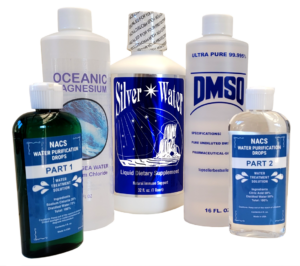
The Full-Spectrum Subtle Recovery Components
- Oceanic Magnesium

Primary role: Muscle relaxation, nerve regulation, mineral balance
Magnesium plays a central role in:
-
- Smooth muscle relaxation (including bladder and urethra)
- Nervous system calming
- Mineral balance related to stone formation
- Circulatory support
Ocean-derived magnesium is often favored for its trace-mineral complexity, which may support broader biochemical harmony.
For more information, see: Oceanic Magnesium book.
- Silver Water
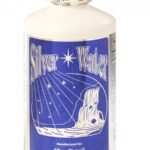
Primary role: Microbial balance & tissue support
Silver Water has a long history of use for:
-
- Supporting microbial balance
- Assisting irritated mucosal tissues
- Providing broad-spectrum environmental support
Many people also apply it topically over pelvic or lower abdominal areas, especially when local discomfort is present.
For more information, see: Silver Water Colloidal book.
- DMSO (Dimethyl Sulfoxide)
Primary role: Penetration, circulation, pain modulation
DMSO is widely known for its ability to:
-
- Carry substances deeply through tissue layers
- Increase local circulation
- Reduce pain and inflammatory signaling
In this framework, DMSO is often used:
-
- Topically (properly diluted) over pelvic, prostate, or bladder regions
- Occasionally orally in very small amounts, typically paired with Silver Water
Its role is less about being the “medicine” and more about being the delivery and circulation amplifier.
For more information, see: DMSO for Humans book.
- Chlorine Dioxide
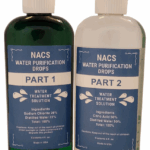
Primary role: Environmental cleansing & oxidative balance
Chlorine dioxide is often explored for:
-
- Supporting internal environmental balance
- Assisting oxidative pathways unfavorable to unwanted microbes
- Providing gentle, rhythmic systemic support when used in very small, spaced amounts
Many people favor micro-dosing approaches spread throughout the day rather than concentrated use.
For more information, see: Chlorine Dioxide book.
Synergistic Use: Why Combination Matters
Used together, these tools address different layers of the same system:
| Layer | Supported By |
| Microbial balance | Silver Water, chlorine dioxide |
| Tissue penetration | DMSO |
| Muscle & nerve tone | Oceanic Magnesium |
| Circulation & flow | Magnesium, DMSO |
| Inflammation modulation | All four, via different pathways |
The intent is subtle, cumulative restoration, not forceful intervention.
Example Daily Rhythm
This timetable reflects how many people choose to space these tools for gentler systemic support.
Morning
- Silver Water: ~1 ounce orally
- Oceanic Magnesium: per preferred method (oral or topical)
- Optional: very small oral DMSO amount mixed with Silver Water (only if already experienced and comfortable)
Throughout the Day
- Chlorine dioxide:
- A few drops in a full glass of water (wait for two hours after taking Silver Water before starting CD)
- Sipped hourly across waking hours
- Topical support (as needed):
- Silver Water applied over pelvic, bladder, or prostate region
- Chlorine dioxide diluted and applied topically
- DMSO properly diluted and layered over the same area to enhance penetration
Evening
- Silver Water: ~1 ounce orally before bed (wait for one hour after taking the last diluted CD)
- Magnesium: calming dose or topical application
- Topical DMSO: used as needed for pain, pressure, or tension
A Note on Subtle Recovery
This approach emphasizes:
- Consistency over intensity
- Layered support rather than single solutions
- Listening to tissue response and adjusting gently
Many people find that when inflammation calms, circulation improves, minerals rebalance, and microbial pressure reduces, the body often remembers how to self-correct.
Keep in Mind
Urological conditions are deeply personal—and often frustrating—because they affect comfort, confidence, intimacy, and daily freedom. A Full-Spectrum Subtle Recovery approach does not promise instant resolution, but it does offer a coherent, systems-aware framework that honors the body’s capacity to respond when properly supported.
As always, individuals vary, and informed self-education paired with careful observation is essential. Subtle approaches work best when guided by patience, respect for the body, and an understanding that healing is often cumulative rather than dramatic.
Leave a Reply