The thyroid is often discussed as if it operates in isolation. Blood tests. Hormone levels. Medication adjustments. But the thyroid does not function alone. It operates within a broader network — one that includes the nervous system, mineral balance, stress chemistry, and cellular energy production. Within that network, magnesium plays a quiet but essential role. While magnesium is rarely highlighted in thyroid conversations, it participates in many of the underlying processes that influence how thyroid signaling is expressed throughout the body.
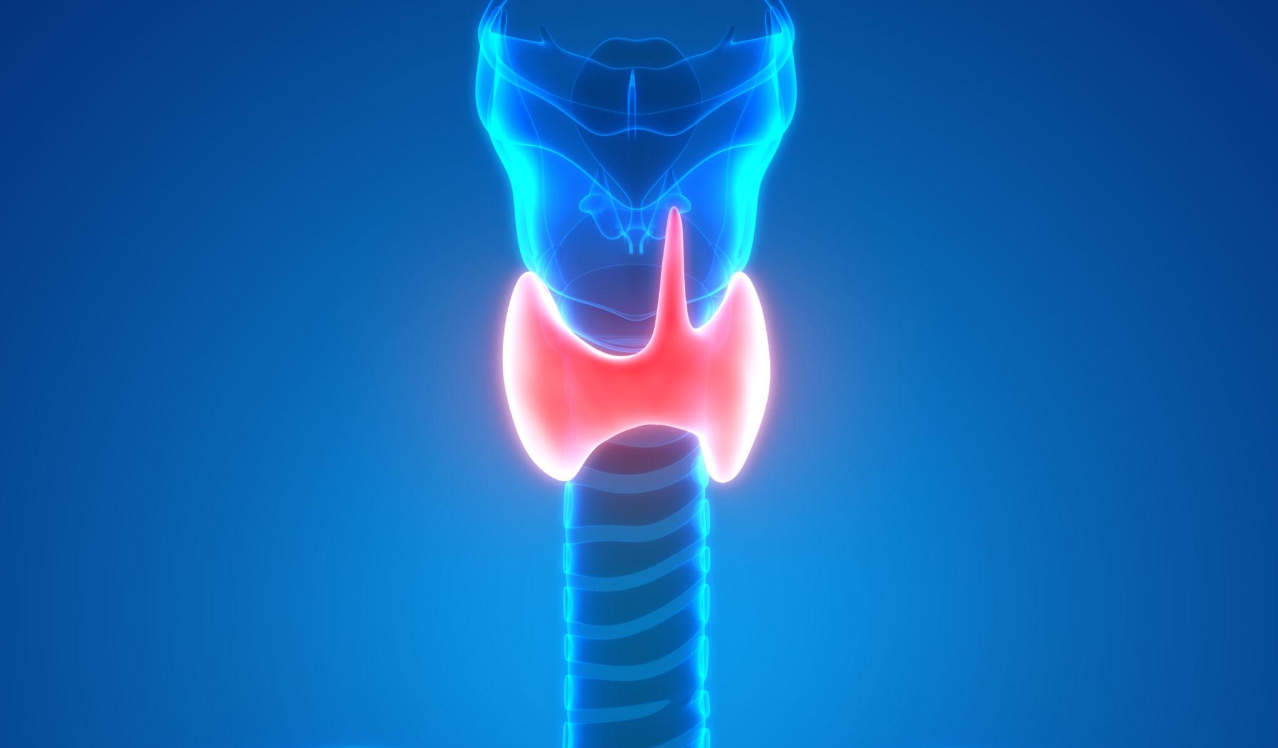
The Thyroid Is a Signaling Hub, Not Just a Gland
The thyroid produces hormones (primarily T4 and T3) that regulate:
- Metabolic rate
- Body temperature
- Energy production
- Heart rhythm
- Neurological activity
However, producing hormones is only part of the equation.
The body must also:
- Convert T4 into active T3
- Transport hormones into cells
- Respond appropriately at the cellular level
These steps depend on enzymatic processes — many of which require magnesium.
Magnesium and Enzymatic Activity
Magnesium is involved in over 300 enzymatic reactions, including those related to:
- ATP (cellular energy) production
- Protein synthesis
- Hormone signaling pathways
- Cellular ion balance
In the context of thyroid function, magnesium contributes to the environment in which hormone conversion and cellular response occur. When magnesium is insufficient, the body may still produce thyroid hormones, but cellular responsiveness can become less efficient.
This can contribute to feelings of:
- Low energy
- Sluggishness
- Reduced resilience to stress
Even when lab values appear within normal ranges.

Stress, Magnesium, and Thyroid Expression
Chronic stress is one of the most significant influences on thyroid signaling.
Elevated cortisol levels can:
- Alter T4 to T3 conversion
- Increase production of reverse T3 (an inactive form)
- Reduce cellular sensitivity to thyroid hormones
At the same time, stress tends to deplete magnesium.
This creates a feedback loop:
- Stress increases magnesium demand
- Magnesium depletion reduces system efficiency
- Reduced efficiency increases perceived stress
Supporting magnesium levels may help stabilize this broader environment. Not by directly “boosting” the thyroid, but by supporting the system in which it operates.
Why Consider Topical Application?
The thyroid is located in the front of the neck — an area rich in:
- Blood supply
- Lymphatic flow
- Nerve pathways
Some individuals choose to apply topical magnesium to the neck area as part of a broader wellness routine.
This approach is based on proximity and local tissue interaction, though it is important to understand:
- Topical magnesium is not a targeted thyroid treatment
- It does not replace medical care or thyroid medication
- It may serve as a supportive practice within a larger context
Other common application areas include:
- Upper chest
- Shoulders
- Upper back
These areas are closely tied to stress patterns and autonomic regulation.

A Gentle Neck Application Approach
For those exploring topical use:
- Apply a small amount of magnesium oil to the front or sides of the neck.
- Massage gently — avoid excessive pressure.
- Leave on for 10–20 minutes.
- Rinse if sensitivity occurs.
- Use consistently, not excessively.
The skin in this area can be sensitive, so dilution may be helpful.
As always, the goal is support — not force.
The Bigger Picture: Coordination, Not Control
The thyroid is not something to be “pushed.” It is something to be supported within a coordinated system.
Magnesium contributes to:
- Electrical stability
- Enzymatic efficiency
- Nervous system balance
- Cellular energy production
These are the conditions under which thyroid signaling can function more smoothly.
Oceanic Magnesium and Systemic Support
A clean, ocean-derived magnesium solution offers:
- High ionic availability
- Trace mineral support
- A naturally balanced mineral profile
When working with sensitive systems like endocrine signaling, quality matters. The intention is not to override the body. It is to provide what may be missing — and allow the body to respond.
Thyroid conversations often focus on numbers. But the lived experience of thyroid imbalance is not just about numbers. It is about how the body feels, responds, and adapts.
Magnesium may not be the headline in thyroid health. But it may be part of the foundation. And foundations, though rarely discussed, determine everything built upon them.
Leave a Reply